
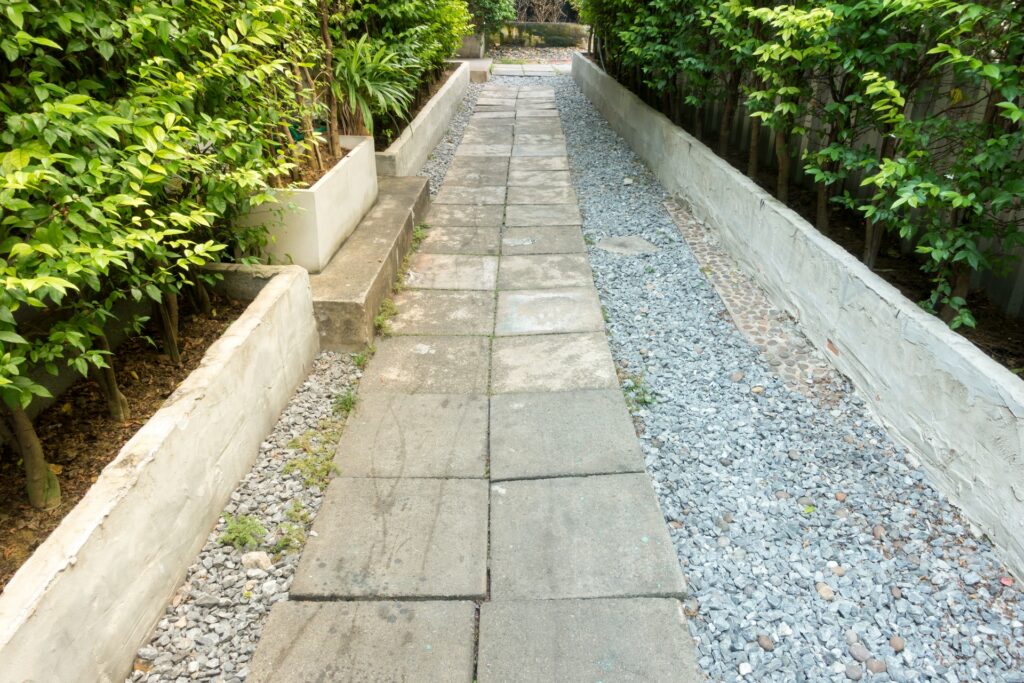
Rock and gravel are versatile landscaping materials that can transform an ordinary yard into an attractive, functional outdoor space. For homeowners and property managers in Ocala and throughout Marion County, decorative stone offers a durable way to define landscape beds, improve drainage in selected areas, and reduce some of the ongoing maintenance associated with traditional landscaping.
However, Florida’s climate requires careful planning. Intense summer heat, heavy seasonal rainfall, sandy soil, and the needs of local plants all influence which materials work best. Choosing the right rock or gravel for your property can help you create a landscape that looks great while standing up to Central Florida’s weather.
At Keiths Lawn Care, we provide professional landscaping services that help homeowners and businesses create and maintain attractive outdoor spaces. With more than 20 years of experience in lawn care and landscaping, we understand the importance of choosing materials that complement your property and support your long-term maintenance goals.
Why Rock and Gravel Work Well in Florida Landscaping
One of the biggest advantages of incorporating rock and gravel into your landscape is their durability. Unlike organic mulch, decorative stone does not decompose and generally does not need to be replaced as frequently. This makes it an appealing option for property owners looking to establish landscape features that retain their appearance over time.
Rock and gravel can also help define the layout of your property. They create visual separation between lawns, planting beds, walkways, and other outdoor features. When used strategically, these materials add contrast and texture without making a landscape feel crowded.
In Central Florida, decorative stone can be particularly useful around certain drainage areas, along pathways, and in landscape beds where it complements the surrounding plants. However, gravel does not automatically solve drainage problems. Proper grading and material selection are still essential, especially during Florida’s rainy season.

Popular Rock and Gravel Features for Florida Properties
Decorative Stone Landscape Beds
Decorative stone is an excellent way to create clean, attractive landscape beds around homes, commercial buildings, and other structures. River rock, crushed stone, and other decorative aggregates come in different colors, sizes, and textures, allowing property owners to coordinate their landscaping with the building’s exterior.
For example, light-colored stone can brighten a landscape and contrast with dark green shrubs, while darker gravel can provide a more understated, contemporary appearance.
Decorative stone beds work especially well around ornamental plants, foundation landscaping, and architectural features. Before installation, consider the amount of direct sunlight the area receives. Stone can absorb and radiate heat, potentially stressing plants that prefer cooler root conditions. Selecting heat-tolerant plants and leaving appropriate space around their bases can help avoid these problems.
Gravel Walkways and Garden Paths
A gravel pathway offers a practical way to connect different areas of your property without installing a solid paved surface. It can guide visitors through a garden, connect an outdoor seating area to a patio, or provide access to landscape beds that require regular maintenance.
The key is choosing the right aggregate. Angular gravel generally locks together better underfoot than smooth, rounded stones, making it useful for certain paths. A properly prepared base and appropriate edging also help keep gravel from spreading into nearby grass or planting beds.
For frequently used walkways, consider how the surface will perform during heavy rain. Good grading and suitable base preparation help reduce erosion, shifting, and puddling.
Rock Borders Around Trees and Shrubs
Rock borders can add definition around trees, shrubs, and other landscape features. They help establish clear boundaries between lawn areas and planting beds while creating a consistent appearance throughout your property.
When planning these borders, avoid piling stone directly against tree trunks or shrub stems. Plants need adequate airflow around their bases, and excessive material buildup can contribute to moisture-related problems.
In some situations, organic mulch may be a better choice around trees because it helps conserve soil moisture and gradually improves soil quality. A combination of decorative rock in surrounding areas and mulch around plants can provide a practical balance between appearance and plant health.
Drainage Features and Dry Creek Beds
Central Florida’s summer thunderstorms can deliver significant rainfall in a short period. When water repeatedly collects in the same area, a properly designed drainage feature may help direct runoff away from vulnerable parts of your property.
A dry creek bed made with appropriately sized stone can create the appearance of a natural stream while serving as part of a broader landscape drainage plan. These features can work well along gentle slopes, near downspouts, or in selected areas where runoff needs to be managed.
However, decorative rock alone will not correct every drainage issue. The underlying grading, soil conditions, water flow, and discharge location all matter. Poorly designed drainage can simply move water from one problem area to another.
If your property experiences persistent standing water or erosion, have the underlying cause assessed before installing a decorative feature.

Drainage Features and Dry Creek Beds
| Material | Best Uses | Main Benefits | Considerations |
|---|---|---|---|
| River Rock | Decorative beds and dry creek features | Natural appearance and durability | Can retain heat and be difficult to walk on |
| Crushed Gravel | Walkways and selected drainage applications | Angular stones can create a stable surface | Requires proper base preparation |
| Pea Gravel | Decorative areas and some garden paths | Smooth texture and attractive appearance | Can shift easily underfoot |
| Hardwood Mulch | Shrub beds and planting areas | Retains moisture and improves soil as it decomposes | Needs periodic replenishment |
| Pine Bark Mulch | Trees, shrubs, and landscape beds | Natural appearance and moisture retention | Can move during heavy rainfall |
For many Ocala properties, combining materials creates the best result. Decorative gravel can define pathways and accent areas, while organic mulch supports plant health in beds containing shrubs, flowers, and young trees.
How to Choose the Right Rock for Central Florida's Climate
Not every decorative stone performs equally well in every setting. Before choosing a material, consider how sunlight, rain, and foot traffic affect the intended area.
Consider heat exposure. Dark-colored stone can become particularly hot in direct sunlight. If your landscape contains heat-sensitive plants, choose plant varieties carefully and avoid covering their root zones with excessive stone.
Plan for heavy rainfall. Lightweight gravel can shift during strong storms, particularly on slopes or in areas with concentrated runoff. Appropriate edging, base preparation, and grading help keep materials in place.
Think about weed prevention. Rock and gravel can reduce some routine maintenance, but they do not eliminate weeds. Windblown seeds and organic debris can accumulate between stones, allowing weeds to grow. Proper bed preparation and occasional maintenance remain important.
Match the material to the property. A large commercial entrance may benefit from a consistent decorative stone design, while a residential garden might look better with a mixture of gravel, mulch, and plantings. Consider the building’s style, surrounding vegetation, and how much maintenance you want to perform.
Professional Landscaping Helps Protect Your Investment
Although rock and gravel installations can be relatively low maintenance, their long-term performance depends on proper planning and installation. Uneven surfaces, inadequate edging, poorly prepared bases, and unsuitable materials can lead to shifting stone, unwanted weeds, and drainage problems.
Professional landscaping helps address these considerations before installation begins. A well-planned design accounts for the property’s layout, existing plants, water movement, and how each area will be used.
At Keiths Lawn Care, we offer full-service landscaping support, from planning and design to implementation and ongoing maintenance. Whether you want to refresh an existing landscape bed, incorporate decorative rock, or create a more cohesive outdoor design, our team can help you determine an approach that fits your property.